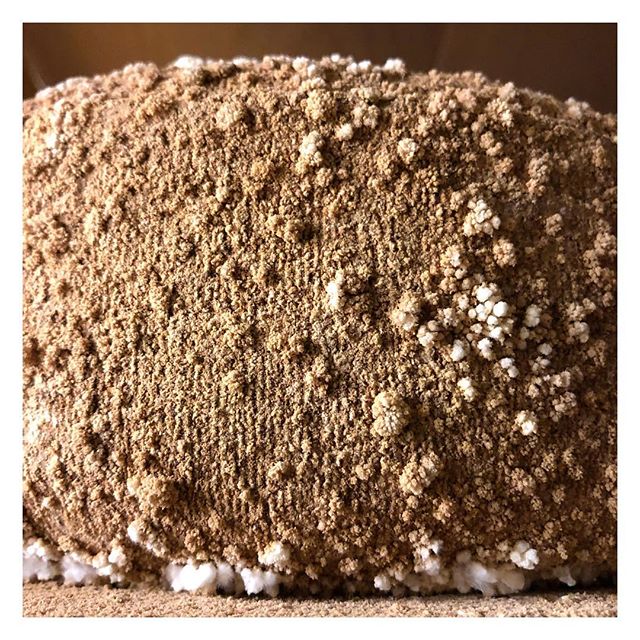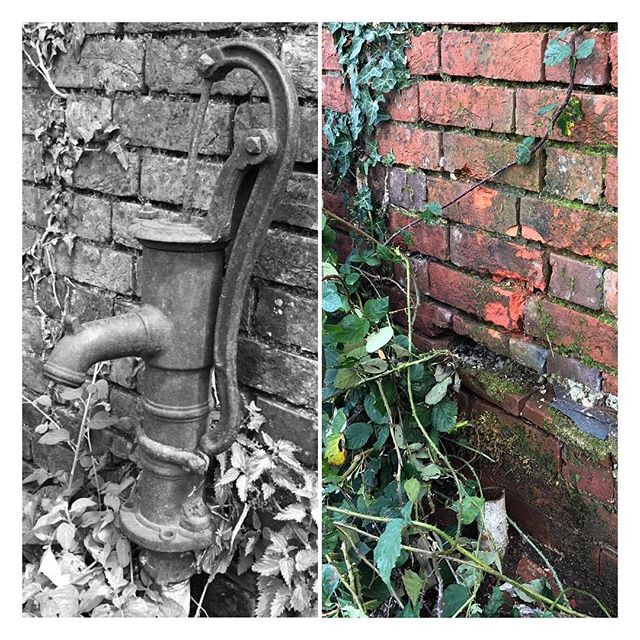



We started making cheese at the dairy in Queenbower in October 2006...
The aim was to create a variety of small scale handmade cheeses for the island.
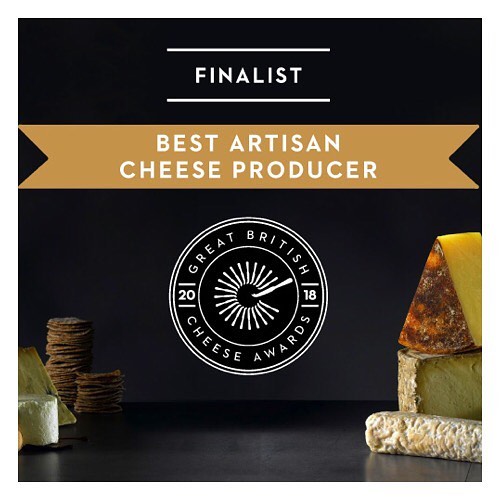
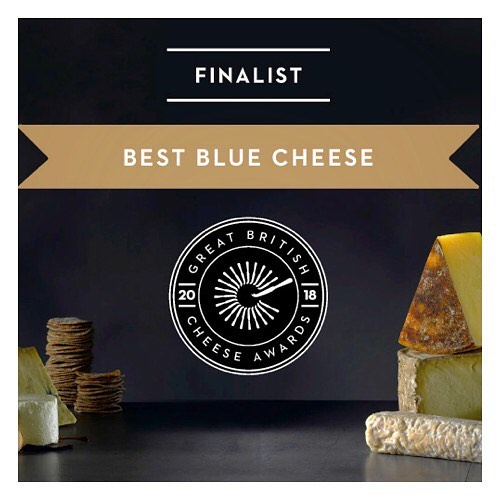
Shortly afterwards we started winning awards, and in November 2017 we completed on the purchase of Queen Bower Dairy after the dairy farmer retired.
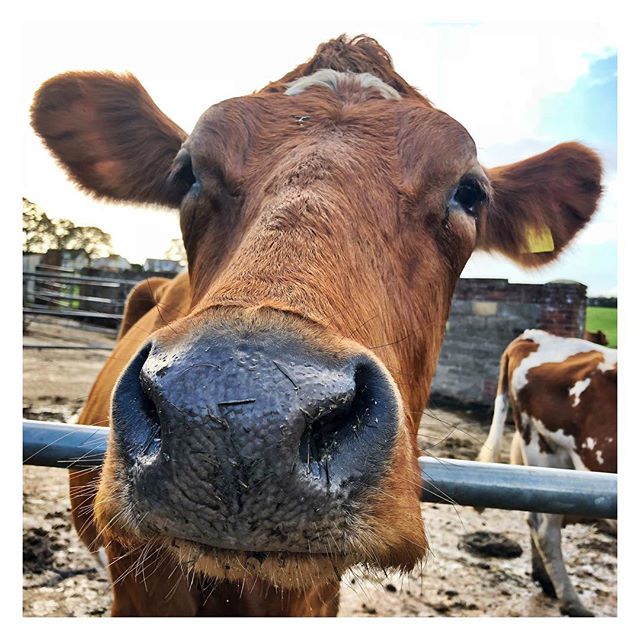
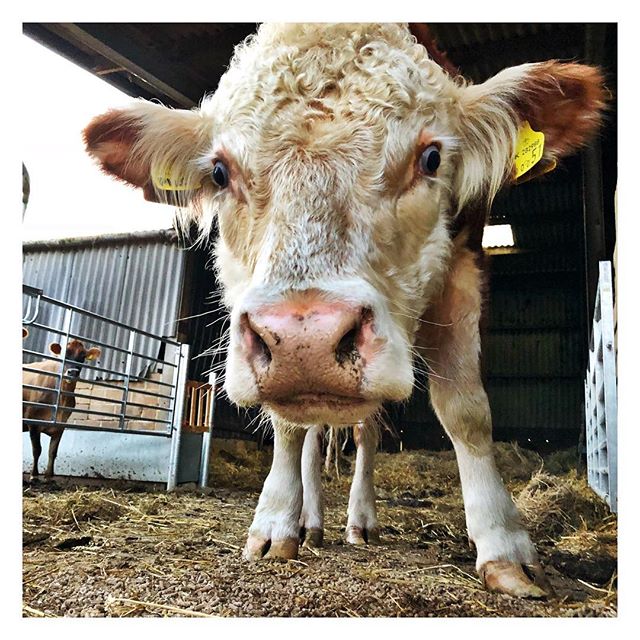
We collect all our milk twice a week from our friends Paul and Mary Bradley who keep their Holstein Friesian herd at Crocker’s Farm, Newport.
Thank you for supporting us and visiting the site.

Isle of Wight Soft
Isle of Wight Soft
Soft white, surface mould ripened. Pasteurised.
Sold between 2-4 weeks of age, 9 week shelf life.
Isle of Wight Soft
Isle of Wight Soft
Soft white, surface mould ripened. Pasteurised.
Sold between 2-4 weeks of age, 9 week shelf life.
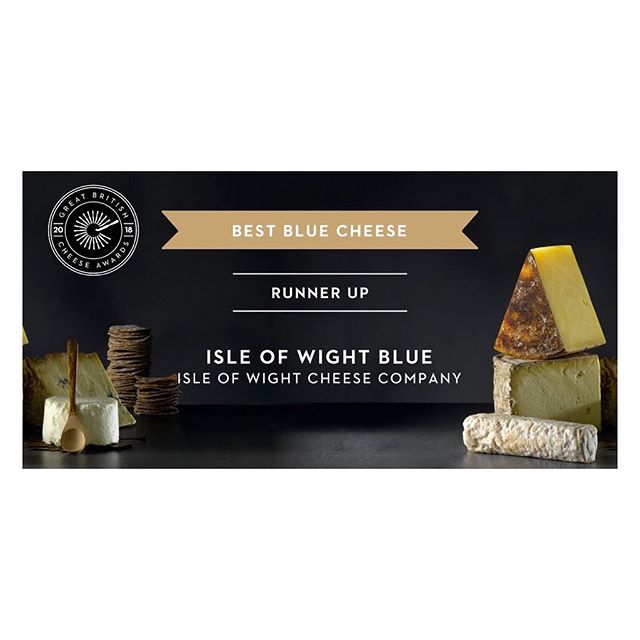
Isle of Wight Blue
Isle of Wight Blue
Naturally rinded soft blue veined. Pasteurised.
Sold between 3-5 weeks of age, 8 Week shelf life.
Isle of Wight Blue
Isle of Wight Blue
Naturally rinded soft blue veined. Pasteurised.
Sold between 3-5 weeks of age, 8 Week shelf life.
Gallybagger
Gallybagger
Modern British, unpasteurised cheddar type. Sold between
5 and 7 months of age. A true flavour of Queenbower.
Gallybagger
Gallybagger
Modern British, unpasteurised cheddar type. Sold between
5 and 7 months of age. A true flavour of Queenbower.
the whey forward

Great cheese starts with great milk...
We have always enjoyed making our cheese with the best, freshest quality milk from the Isle of Wight and we pride ourselves on a close supplier relationship with the Crocker’s Farm who supply us.

Since 2013 we're proud to have been
SALSA accredited.
Join our Facebook page, follow us on Instagram and Twitter...

-
 RT @PhilYeomans: Isle of Wight tomatoes and soft cheese , lovage, gazpacho, olive @lainston_house @theiowcheeseco @iowtomatoes… https://t.co/tgIlphW8dn
 -